

Our Services
GEOGRAPHICAL INDICATIONS
-
Geographical Indications: Protecting the Identity of Unique Artisanal Products in Ghana
In a world increasingly driven by mass production and global markets, the distinctiveness of locally made, artisanal
products is more valuable than ever. These goods—whether it’s a handcrafted cheese from a particular region,a centuries-
old weaving technique, or a specialty spice blend —carry stories, heritage, and culture. But how can producers ensure
these qualities are legally protected and their value commercially recognized?
The answer lies in a powerful form of Intellectual Property Right: Geographical Indications (GIs).
-
What is a Geographical Indication?
Geographical Indications (GIs) are special labels used to identify products that come from a specific place and have unique
qualities, characteristics, or a reputation linked to that origin. Around the world, many traditional foods and handcrafted
goods are deeply connected to the regions where they are made—drawing on local knowledge, skills, and cultural practices passed down through generations.
GIs recognize and protect these products as a form of intellectual property, giving local producers—especially small-scale
and artisanal ones —the exclusive right to use the name. This not only helps preserve cultural traditions but also promotes
economic opportunities for communities by highlighting the value of their unique heritage. Well-known examples around the world include:
• Darjeeling Tea (India)
• Roquefort Cheese (France)
• Tequila (Mexico)
-
-
Ghanaian Geographical Indications
In Ghana, several unique products are under way for development and protection. The following products are few examples
that have been identified to be protected as GIs in Ghana (as of recent developments)
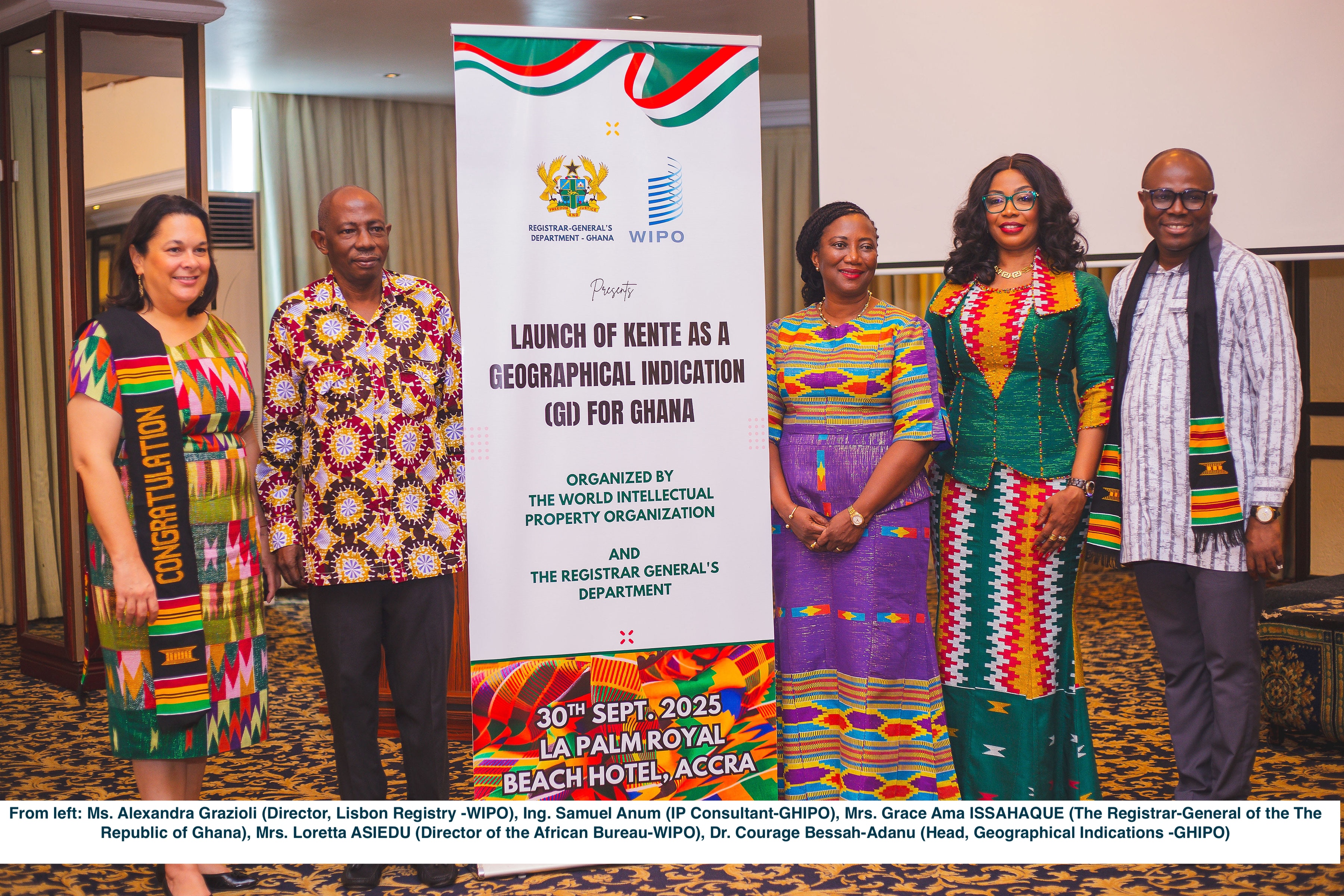
Kente Cloth
(Ashanti and Volta regions)Description: A handwoven textile with rich cultural symbolism, traditionally made by the Ghanaian people. Each pattern
carries meaning and is often worn during significant ceremonies.
Status: Protected as the first Ghanaian GI on August 8, 2025 and launched on September 30, 2025.-Kente is recognized nationally and internationally as a symbol of Ghanaian heritage. Efforts are underway to formalize its GI protection
-
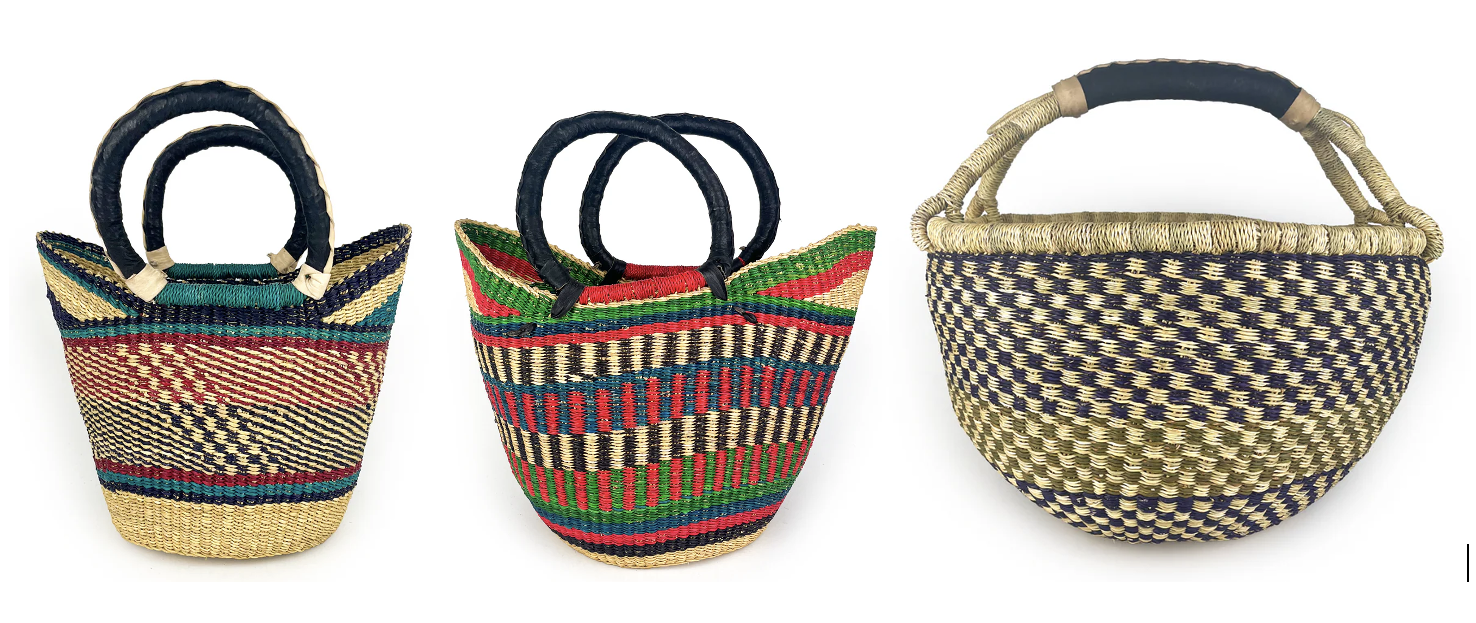
Bolga Busket
(Upper East Region)Description: Intricately handwoven baskets made from local straw, known for their durability and colourful patterns.
Status: A strong candidate for GI protection due to the unique weaving skills passed down through generations.
-
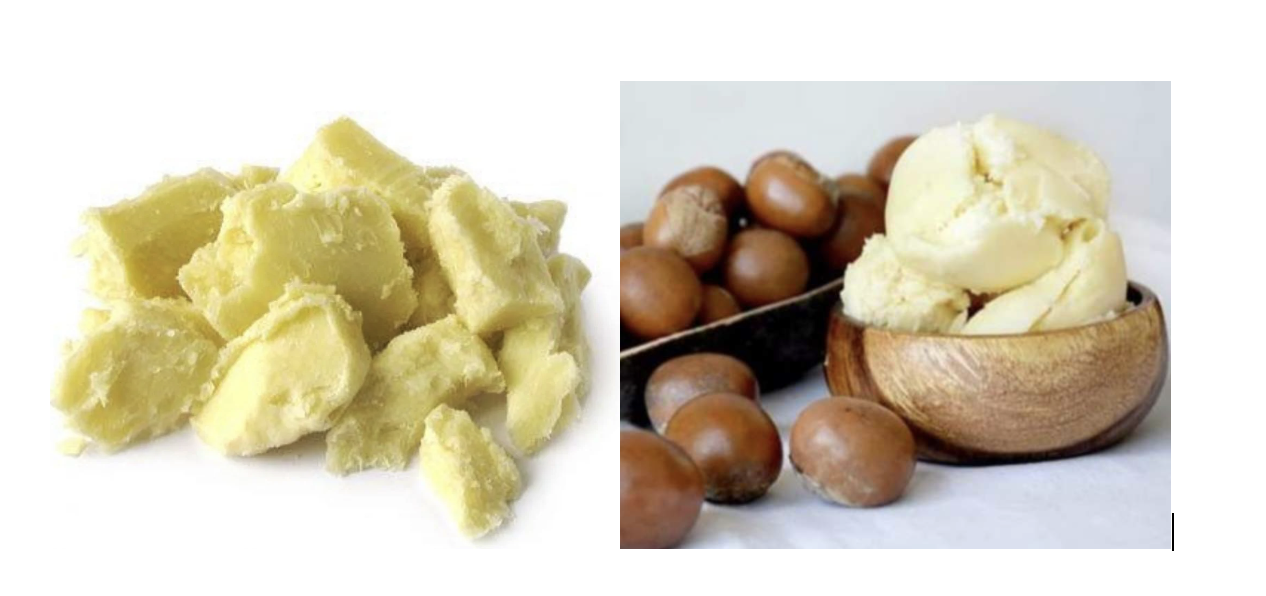
Shea Butter
(Northern Ghana)Description: Produced primarily by women’s cooperatives using traditional methods. The shea trees are native to the region, and the butter is valued both locally and globally for skincare and cooking.
Status:Discussions are ongoing for GI recognition, especially to protect the authenticity and value of Ghanaian shea products in international markets.
These products are recognized not just for their quality, but for their connection to a particular place—its climate, natural resources, skills, and cultural practices
-
Why Are GIs Important for Artisanal Products?
For artisans and small-scale producers, Geographical Indications offer multiple advantages:
1. Brand Recognition and Value Creation
A GI signals authenticity and quality. Consumers are willing to pay a premium for products that carry a recognized GI because they trust the origin and production process.
2. Protection Against Imitation
GIs prevent unauthorized use of a regional name by producers outside the area. This legal protection safeguards both the economic interests of local producers and the product’s reputation.
3. Support for Rural Economies
GIs can drive sustainable development by promoting tourism, preserving traditional knowledge, and stimulating local employment.
4. Cultural Preservation
Many artisanal products represent intangible cultural heritage. GIs help maintain traditional methods and indigenous craftsmanship by incentivizing their continuation.
-
How to Register a Geographical Indication
GI registration typically involves:
• Defining the geographical boundaries.
• Documenting the unique characteristics of the product.
• Showing the historical or cultural link to the region.
• Forming a collective organization or association to manage the GI.

Coyright © 2019 The Registrar General's Department. All rights reserved.